


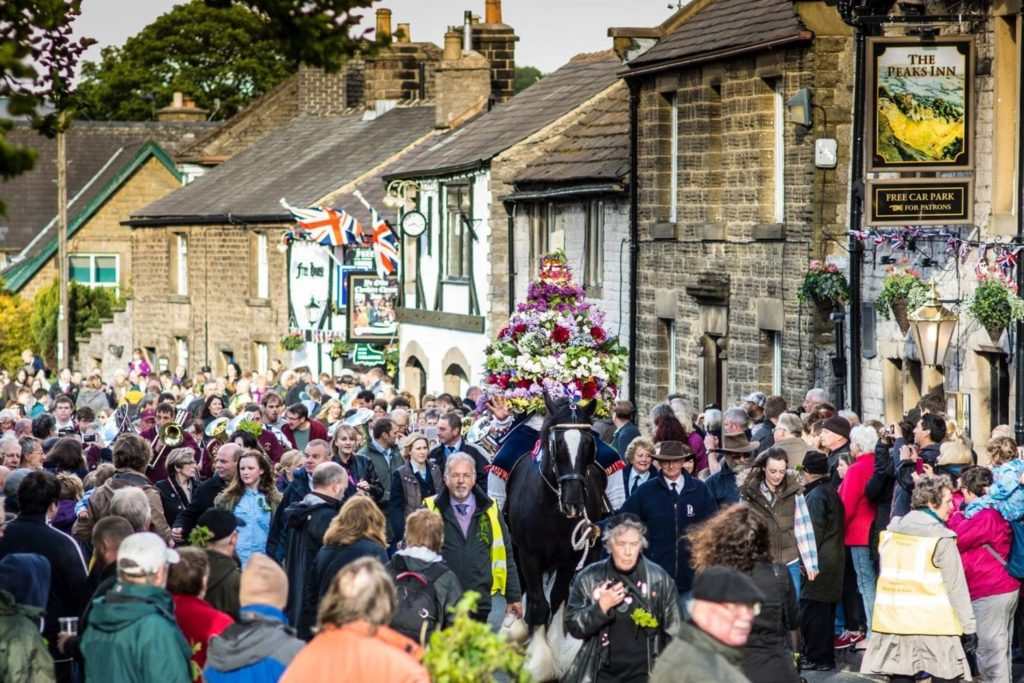
Castleton: The Jewel of the Hope Valley
A day in the beautiful village of Castleton should feature in the itinerary of every visitor to the Peak District. It is surrounded by stunning scenery, nestled in the hills at the western end of the Hope Valley, Castleton has something to offer for everyone.
Planning a visit? Our comprehensive guide covers everything you need to know, from top attractions and walking routes to practical tips for making the most of your trip to this beautiful Derbyshire village.
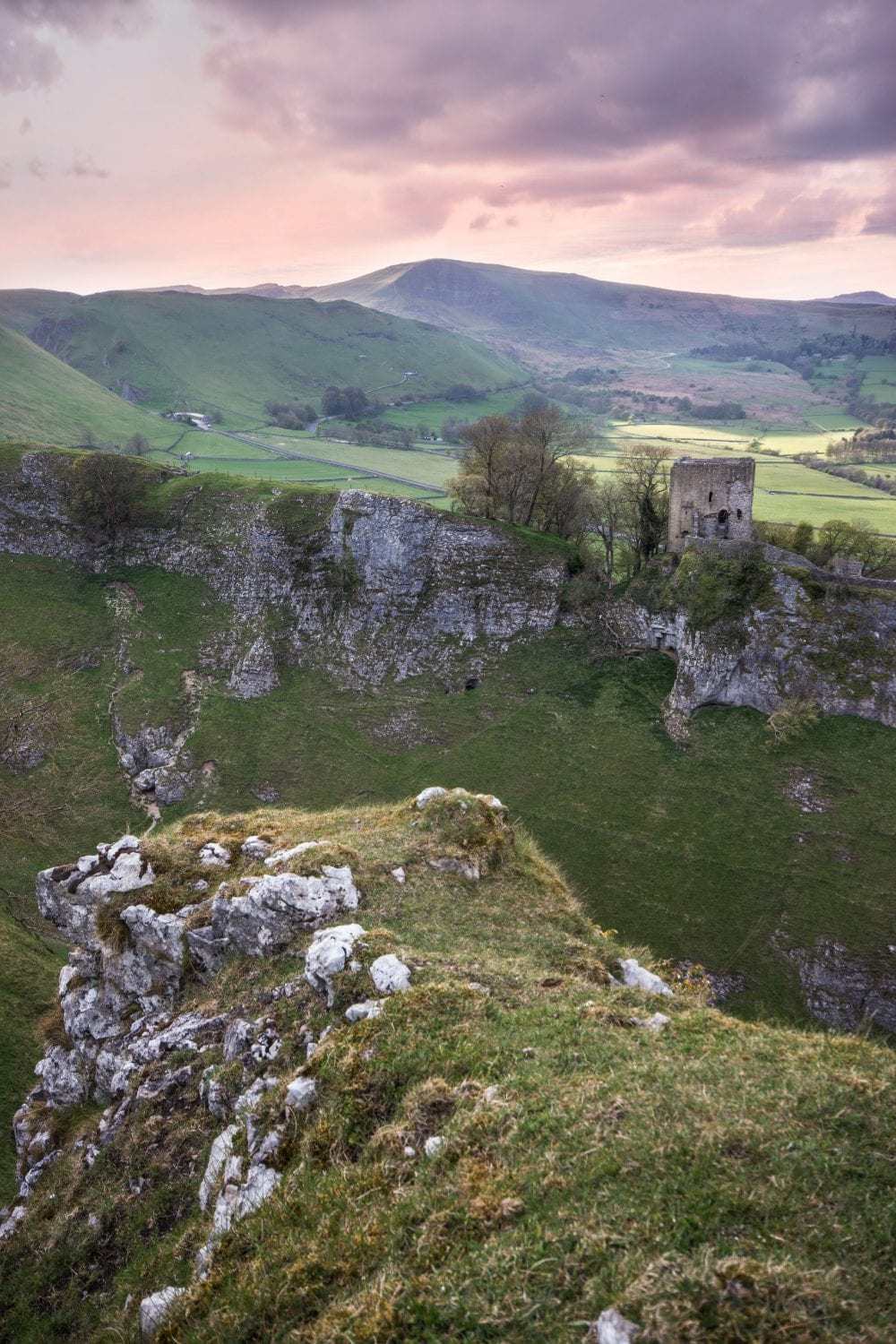
Castleton for Outdoor Adventures
For outdoor enthusiasts Castleton is the perfect gateway to the moorland and hill trails over Kinder Scout, Mam Tor and the Great Ridge, and its many cave systems will appeal to adventurous kids of all ages. Visitors who prefer a gentle pace of exploration will enjoy wandering through its narrow lanes, browsing the independent shops and sampling the fare in the many tea rooms, restaurants and pubs.
🚌 Bus Routes Serving This Area
The following bus routes serve Castleton and the surrounding area:
🚏 Nearby bus stops:
- Visitor Centre (adj) → BLUE (0 mi) → BLUE Live TimesStreet View
- Visitor Centre (opp) ← BLUE (0 mi) → BLUE Live TimesStreet View
- Bus Station (Adj) → 62 173 271 272 BLUE 🏛️ HUB Hub (0.1 mi) → 62, 173, 271, 272 Live TimesStreet View
- How Lane (SW-bound) ↙ 62 271 272 BLUE (0.2 mi) → 62, 271, 272, BLUE Live TimesStreet View
🚏 Also on this route — places to visit along the way:
There has been a village here for more than 1,000 years; Castleton is mentioned in the Domesday Book of 1086. There are a number of ancient buildings still to be found in the village, including the very pretty church of St Edmund, which dates back to the 13th Century.
Peveril Castle
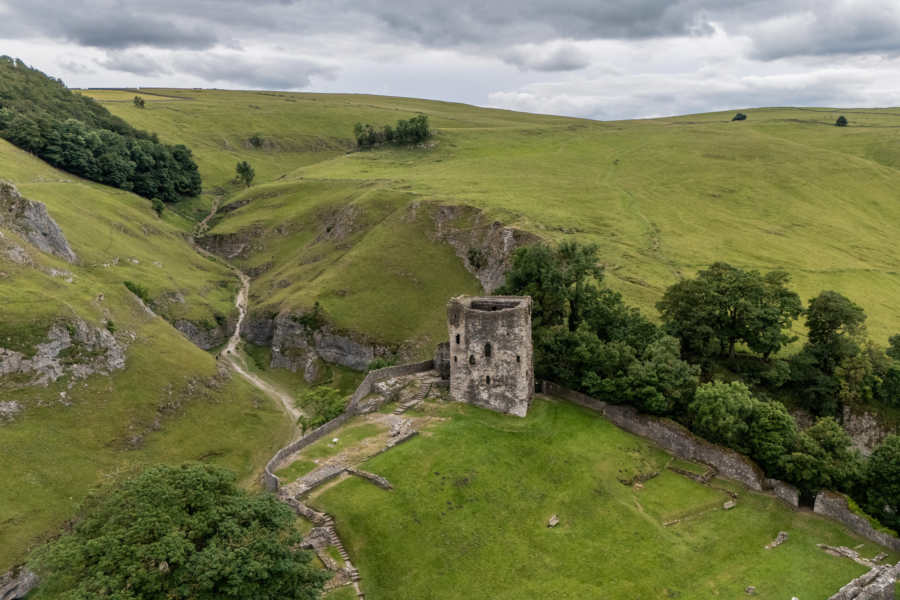
The Norman ruins of Peveril Castle overlook the village, and a walk up to the castle, although quite steep, offers visitors the chance to admire the breathtaking views.
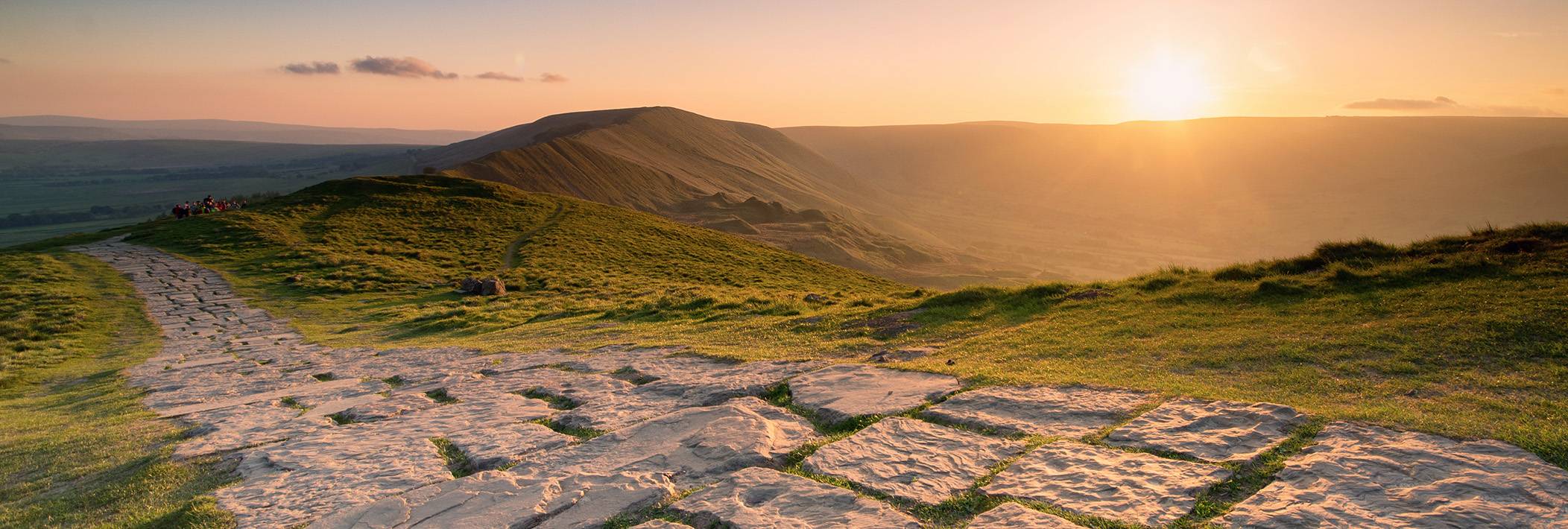
Mam Tor – The Shivering Mountain
Castleton is located on the border of the gritstone Dark Peak and the limestone White Peak areas of the Peak District, and the typical features of both landscapes can be seen in the hills that surround the village on three sides.
From almost all points in the village visitors can see the dramatic skyline of Mam Tor, the Mother Hill, or ‘Shivering Mountain’, so-called because of its propensity for landslips caused by unstable lower layers of shale.
In 1979 these regular slippages led the local council to abandon the upkeep of the road that passed beneath Mam Tor, and the ‘Broken Road’ is now something of a tourist attraction in its own right.
Despite its imposing size from the village (517m), Mam Tor is a relatively easy hill to climb, especially from the National Trust car park located off the road to Chapel en le Frith. The views from the top are simply stunning, taking in the whole of the Hope Valley to one side and the Edale Valley to the other.
The Show Caves of Castleton
By the 17th Century Castleton thrived on the lead mining industry, and the remains of this can still be seen by visiting any of the four magnificent show caves that are open to the public in and around the village: Peak Cavern, Speedwell Cavern, Blue John Cavern and Treak Cliff Cavern.
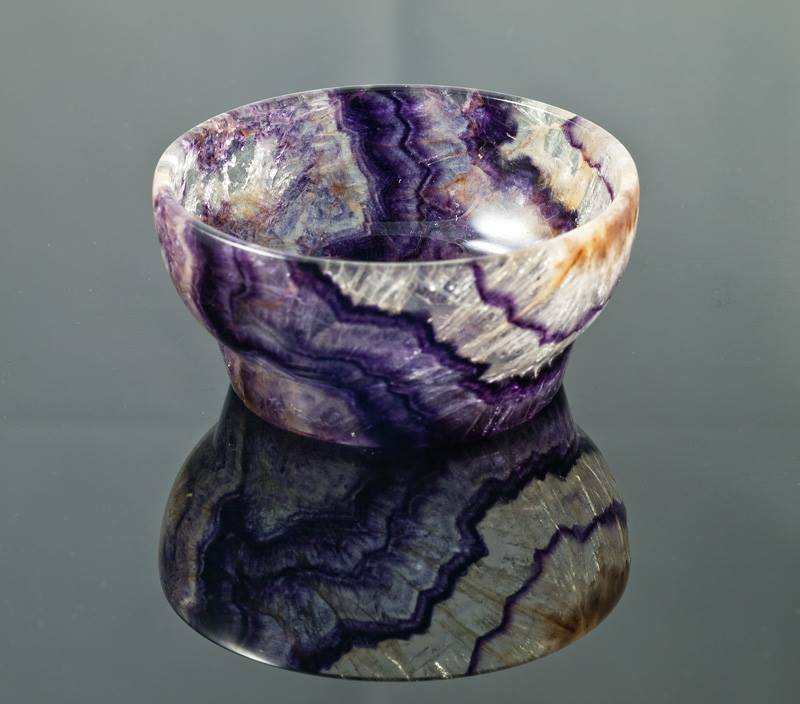
The latter two caves are the only places in the world where visitors can see the rare Blue John stone in situ, a semi-precious form of fluorite. A small amount of Blue John is still mined locally and jewellery set with the mineral can be bought from some of the gift shops in the village.
Peak Cavern
Known locally by the irreverent name The Devil’s Arse, Peak Cavern is the only cave of the four in Castleton that is entirely natural. It is a short walk from the centre of the village and well-signposted.
The entrance to Peak Cavern is the largest cave entrance in Britain, standing at 60 feet high, 100 feet wide and 340 feet long. Until as recently as 1915 it was the home of the last cave-dwellers in the UK, with a group of rope-makers living in the cave mouth and selling their wares to villagers and the lead mines.
Peak Cavern is made up of a number of chambers, each with their own natural features. The chambers are well lit to highlight the beauty of their rock formations, and guided tours are available to help you get the most out of your visit.
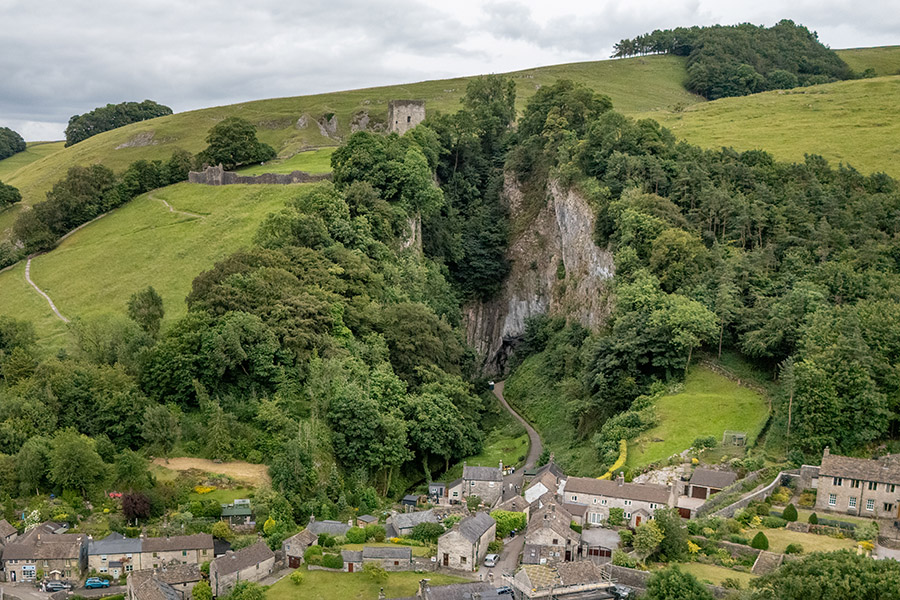
Peak Cavern
For more details, visit www.peakcavern.co.uk.
Speedwell Cavern
Speedwell Cavern was formed by miners over 200 years ago, carving tunnels out of the limestone rock with relatively primitive tools, in an ultimately fruitless search to find lead.
The Cavern features an underground canal that runs the length of the part of the cave that is accessible to the public, and visitors travel through it by boat. Information about the history of the cave is provided during the journey, and at its conclusion visitors are able to explore a huge, cathedral-like cavern more than 200 metres underground.
It is so high that its roof cannot be seen, and so deep that the many tons of rock left over after digging the canal were able to be emptied into it without making any visible impression. At its heart is a huge subterranean lake known as The Bottomless Pit.
Speedwell Cavern is situated at the end of Winnats Pass in Castleton, just outside the main village of Castleton. Please note that there are 106 steps between the cave entrance and the landing stage for the boat, so unfortunately this is not an accessible cave for those with mobility problems.
Speedwell Cavern
For more details, visit www.speedwellcavern.co.uk.
Blue John Cavern
Blue John Cavern is one of only two caves in the world where the semi-precious mineral Blue John stone can be found. This beautiful, rare fluorspar contains bands of blue (sometimes purple) and yellow colours, which is believed to be how it came by its name, from the French bleu/jaune (blue/yellow).
The cave is partly formed from mine workings and partly from large, natural chambers, including the Crystallised Cavern and the Variegated Cavern. These boast an impressive collection of stalagmites and stalactites, as well as veins of beautifully-lit Blue John stone.
Blue John Cavern is situated at the top of Winnats Pass just outside Castleton village. It is open all year but check for opening times in low season.
Blue John Cavern
For more details, visit www.bluejohn-cavern.co.uk.
Treak Cliff Cavern
Arguably the most impressive collection of Blue John Stone is found in Treak Cliff Cavern. It is designated a Site of Special Scientific Interest and its deposits are so rich that 500kgs of the mineral are still mined each year from the cave, away from the visitor routes.
Like the Blue John Cavern, Treak Cliff is made up of natural caves and those created from lead mining operations. The visitor route takes in a number of very impressive chambers containing beautiful, well-lit formations, fossils, stalactites and stalagmites.
Treak Cliff is situated just outside Castleton village under the slopes of Mam Tor.
Treak Cliff Cavern
For more details, visit www.treakcliffcavern.co.uk.
Where to Stay in Castleton
Castleton offers a range of accommodation options to suit all budgets and preferences. From traditional country pubs with rooms to charming guest houses and self-catering cottages, there is something for every visitor.
Accommodation Options
- Traditional country pubs with rooms
- Charming guest houses and B&Bs in the village centre
- Self-catering cottages in the surrounding countryside
- Camping and caravan sites nearby
Top Tips for Your Castleton Visit
- Best Time to Visit: Spring and summer offer the best weather for exploring the hills and caves. Autumn brings stunning colours to the surrounding valleys.
- Getting There: Castleton is accessible by car via the A6187, and has bus connections from Sheffield, Bakewell and Buxton.
- Parking: There are several car parks in the village, but they fill up quickly during peak times – arrive early.
- Don’t Miss: Climbing Mam Tor for the stunning views across the Hope and Edale valleys.
- Plan Ahead: The village can get busy during peak season and on weekends. Book accommodation and cave tours in advance.
Frequently Asked Questions About Castleton
Is Castleton worth visiting?
Absolutely! Castleton is one of the most beautiful villages in the Peak District, offering stunning scenery, fascinating caves, historic landmarks, and excellent walking opportunities.
What is Castleton famous for?
Castleton is famous for its four show caves, Blue John stone, Peveril Castle, and its position at the foot of Mam Tor in the Hope Valley.
How many caves are there in Castleton?
There are four show caves open to the public: Peak Cavern, Speedwell Cavern, Blue John Cavern and Treak Cliff Cavern.
What is Blue John stone?
Blue John is a rare semi-precious form of fluorite found only in Castleton. It features beautiful bands of blue, purple and yellow colours.
How long does it take to climb Mam Tor?
Mam Tor is a relatively easy hill to climb, taking approximately 30-45 minutes from the National Trust car park. The views from the top are spectacular.
Is there parking in Castleton?
Yes, there are several car parks in the village. However, they fill up quickly during peak times, so arriving early is recommended.
For more information about visiting the area, explore the official Peak District National Park visiting guide and plan your adventure in this remarkable part of Derbyshire.